Connect with us

Education

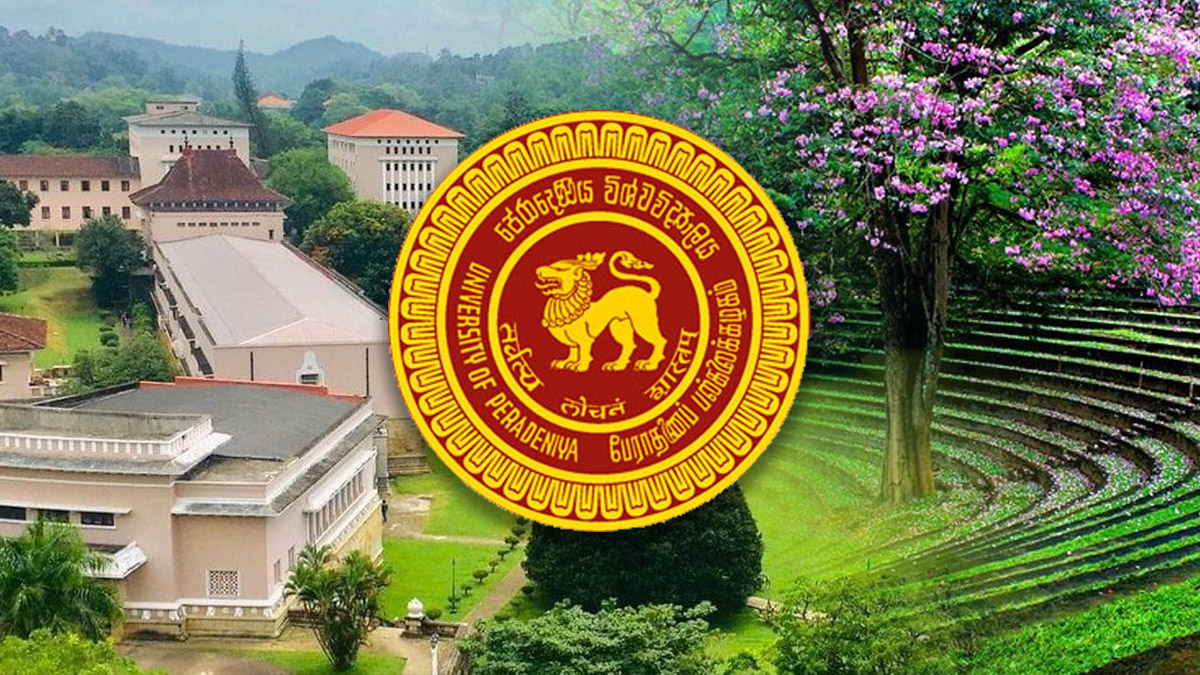
The University of Colombo now ranks between 951st and 1000th in the QS World University Rankings 2025

Published

on

QS Quacquarelli Symonds released its World University Rankings for 2025 on June 4, 2024,. The 2025 edition features 1,503 published institutions from 106 locations worldwide. The QS Rankings serve as a global benchmark for universities, evaluating their performance based on Research and Discovery, Employability and Outcomes, Learning Experience, Global Engagement, and Sustainability.

Among the ranked institutions are three Sri Lankan universities, with the University of Colombo retaining its position as the top university in the country. The University of Colombo has made significant progress in its ranking, moving up from the 1001-1200 range to now securing a place between 951st and 1000th among universities worldwide. This improvement reflects the gradual enhancements made over the past few years.

The list of universities in the QS World University Rankings 2025 can be found here:
https://www.topuniversities.com/world-university-rankings

Education

PM Harini Amarasuriya delivers OSGA annual lecture at Oxford

Published

on

By

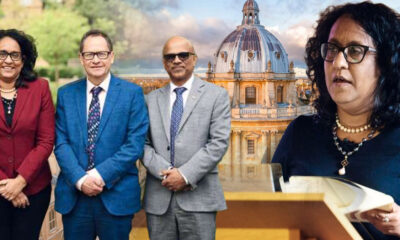
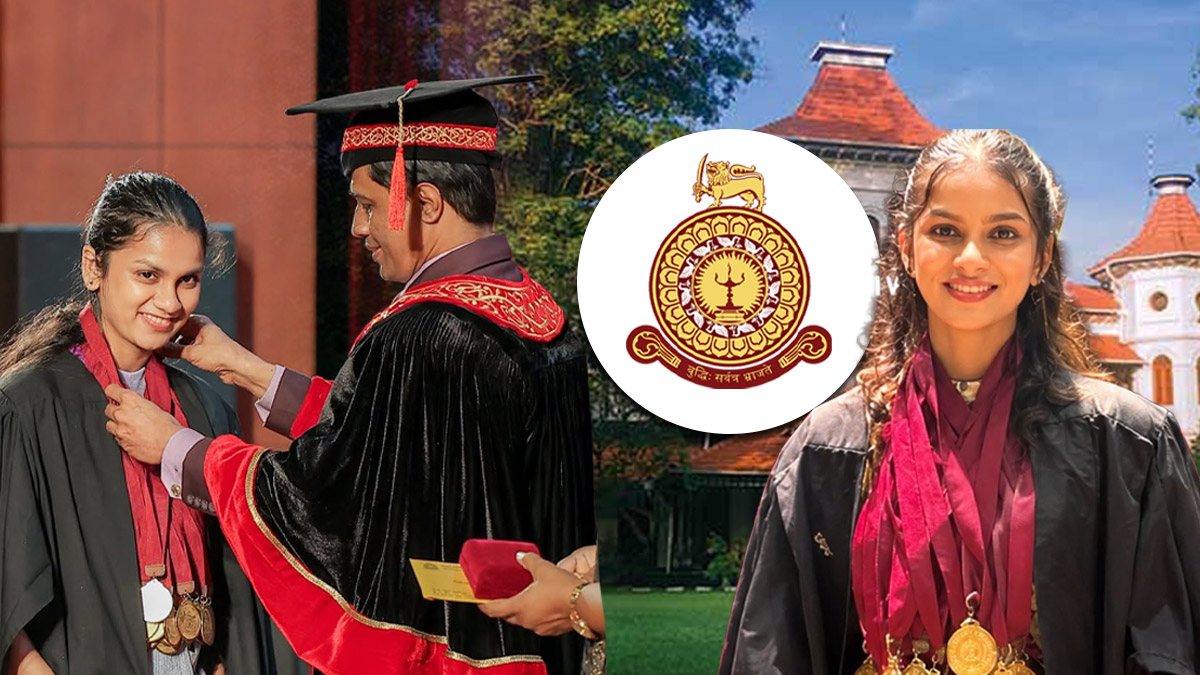
Prime Minister of Sri Lanka, Harini Amarasuriya, delivered the 2026 Oxford School of Global and Area Studies (OSGA) Annual Lecture at St Antony’s College, University of Oxford, titled “The Politics of Development: Sri Lanka and Beyond.”

Addressing students, academics, and researchers, PM Amarasuriya reflected on the intersections of development, governance, and politics in Sri Lanka while situating them within broader global realities. She emphasized that development must be understood not only through policies and statistics but also through the lived experiences of people, particularly in nations recovering from economic crises and institutional challenges.

The Prime Minister highlighted women’s political participation in Sri Lanka, noting the growing involvement of women in grassroots movements and leadership spaces, while acknowledging the challenges of transforming entrenched social and political structures. She also stressed the importance of recognizing both paid and unpaid care work, noting that women’s contributions to families, communities, and the economy often remain invisible in traditional systems.

On economic recovery and social policy, PM Amarasuriya underscored that sustainable development must balance economic progress with dignity, fairness, and social well‑being. She further reflected on the relationship between governments, international development agencies, and local institutions, urging that priorities remain grounded in local realities and accountable to the people they serve.

Drawing from her experiences as a social anthropologist, activist, academic, and political leader, she discussed the challenges of translating activism into long‑term policy reforms, noting that meaningful transformation requires patience, negotiation, and sustained public engagement.

The lecture concluded with an interactive Q&A session covering governance, institutional independence, political reform, and economic recovery.

Continue Reading

Education

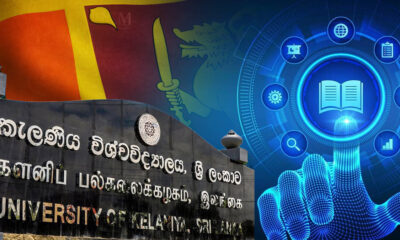
Cabinet Approves Rs. 476M Digital Transformation Project For University Of Kelaniya

Published

on

By

The Cabinet of Ministers has approved a Rs. 476 million digital transformation project to modernise academic and administrative operations at the University of Kelaniya over a two-year period from 2026 to 2027.

The initiative aims to address limitations in the university’s existing IT infrastructure, which authorities say is no longer sufficient to meet the growing demands of a rapidly evolving, digitally driven global higher education environment.

Under the project, all core learning, teaching, and management processes are expected to be digitised, benefiting a large academic community that includes 16,368 undergraduate students, 1,114 postgraduate students, 56,619 external degree candidates, and around 1,700 academic and non-academic staff members.

Key objectives of the programme include improving service delivery through streamlined administrative systems, expanding access for both local and international students via digital platforms, and strengthening financial sustainability by enhancing operational efficiency.

Continue Reading

Education

Sri Lanka’s PhD holdersrise to 11,757

Published

on

By

Sri Lanka has recorded a rise in the number of PhD holders, alongside a broader shift towards higher educational attainment over the past decade, according to the latest data on the population aged 25 and above in the Census of Population and Housing 2024.

Here are 7 key figures from the report:

1. PhD holders increased from 6,557 in 2012 to 11,757 in 2024, though still accounting for just 0.1% of the population.

2. The number of people with degrees more than doubled, rising from 358,052 (3.0%) to 780,958 (5.6%).

3. Those with a tertiary education grew significantly from 2,195,117 (18.2%) in 2012 to 3,635,462 (26.2%) in 2024.

4. Individuals with G.C.E. A/L or equivalent rose from 1,724,574 (14.2%) to 2,677,022 (19.4%).

5. The population with secondary education increased from 7,079,569 to 8,096,402, accounting for around 58% in both years.

6. Those with only primary education declined from 2,214,792 (18.4%) to 1,738,942 (12.5%).

7. The number of people with no schooling dropped from 561,163 (4.7%) to 400,511 (2.9%).

Continue Reading
Advertisement

Trending