Connect with us

Economy

Sri Lankan scientist helps uncover oldest fast radio burst from 10 billion years ago
Published

on

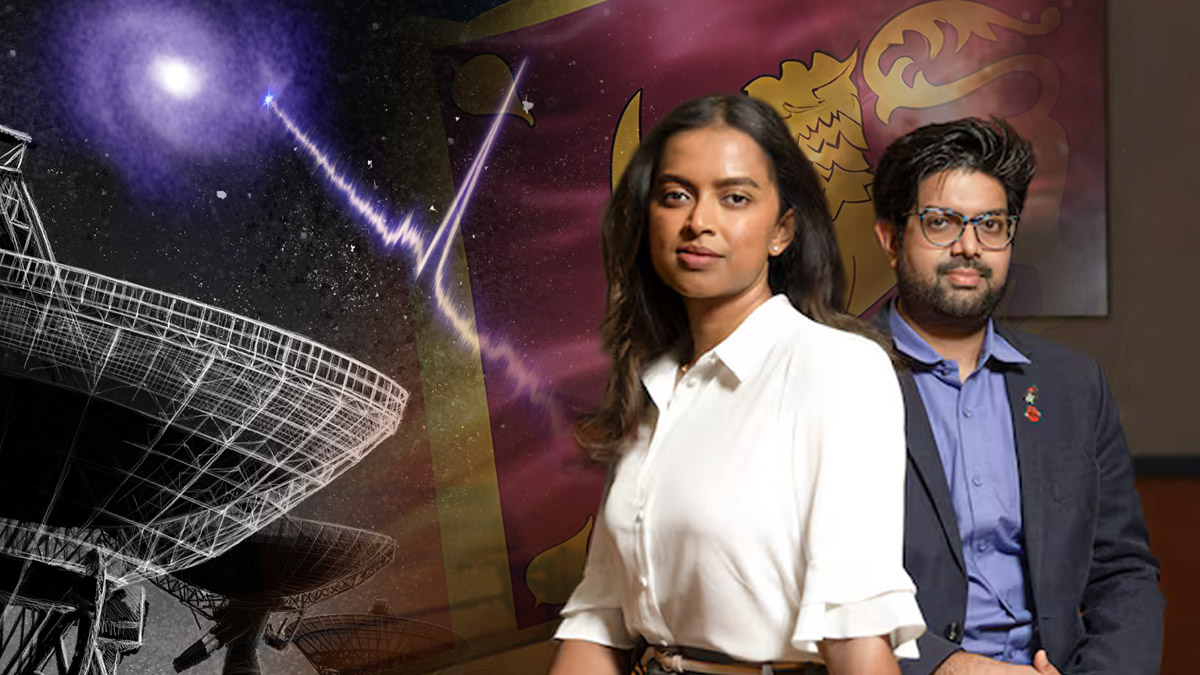
Sri Lankan scientist Themiya Nanayakkara has been part of an international team of researchers that discovered the oldest fast radio burst ever recorded, originating from a galaxy approximately 10 billion years ago.

The groundbreaking discovery, published in the scientific journal Science, could help astronomers better understand the evolution of the universe and the vast network of matter known as the cosmic web.

The research team, led by University of Sydney astrophysicist Dr. Manisha Caleb, included Nanayakkara, who was identified as a co-author of the study.

The mysterious burst, named FRB 20240304B, was first recorded in 2024 by the MeerKAT radio telescope in South Africa.

Scientists subsequently used NASA’s James Webb Space Telescope to trace the signal to a small, actively star-forming galaxy that existed just three billion years after the Big Bang.

Fast radio bursts are extremely powerful flashes of radio waves lasting only a few milliseconds. Despite their brief duration, they can release as much energy as the Sun produces over several days.

Researchers believe these bursts may originate from highly magnetized neutron stars known as magnetars, although their precise origins remain uncertain.

Speaking to Australia’s ABC News, Dr. Caleb described the discovery as extraordinary, noting that the signal began its journey billions of years before the Sun and solar system existed.

#oureconomics

Economy

Sri Lanka aims to reduce VAT rates within next 2–3 years

Published

on

By

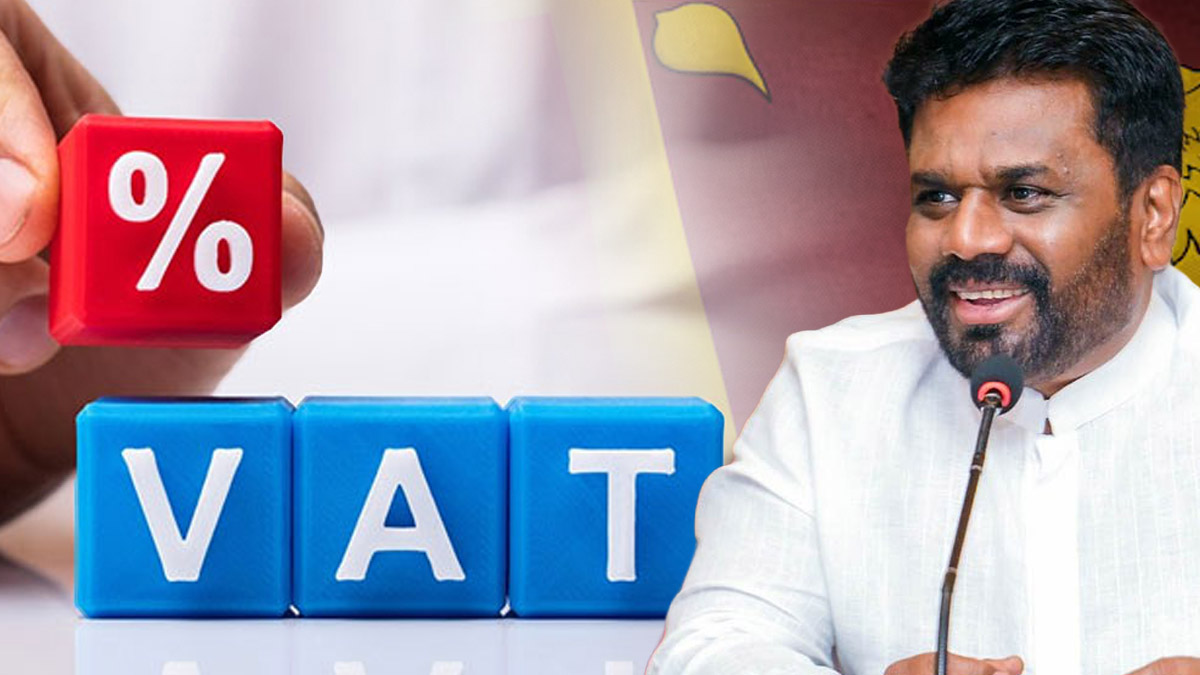
President Anura Kumara Dissanayake says the government aims to reduce Value Added Tax (VAT) rates over the next two to three years as part of efforts to provide financial relief to the public.

Speaking at a ceremony to present appointment letters to 1,540 new Grama Niladhari officers at Temple Trees on Thursday (Oct. 8), the President said the government was working towards reducing the tax burden on citizens while managing rising public expenditure.

“Our objective is to provide relief to the people by reducing Value Added Tax (VAT) rates over the next two to three years,” he said.

The President also stressed the need to remove taxes on essential educational materials, saying children should not have to bear a tax burden when purchasing books.

“If a child has to pay a tax when purchasing a book to read, we should remove that tax,” he said.

However, the President acknowledged that reducing taxes would require careful management of government expenditure, particularly as the administration implements salary increases for public sector employees.

He said the government’s decision to increase public sector basic salaries in three stages would result in an additional expenditure of Rs. 330 billion by 2027.

Continue Reading

Economy

Sri Lanka’s Financial Literacy Rises From 35% To 58%

Published

on

By

Prime Minister Dr. Harini Amarasuriya said that financial literacy in the country has increased from 35% to 58% as a result of measures taken by the government.

The Prime Minister made these remarks while attending a programme held yesterday at the Colombo Stock Exchange (CSE).

The event was organized to mark the 40th anniversary of the Colombo Stock Exchange, promote financial literacy, and launch the Stock Market Game initiative.

The 40th-anniversary commemorative cover and stamp were also unveiled under the patronage of the Prime Minister.

#oureconomics

Continue Reading

Economy

Govt saving Rs. 5.7B through price regulation of 13 expensive medicines

Published

on

By

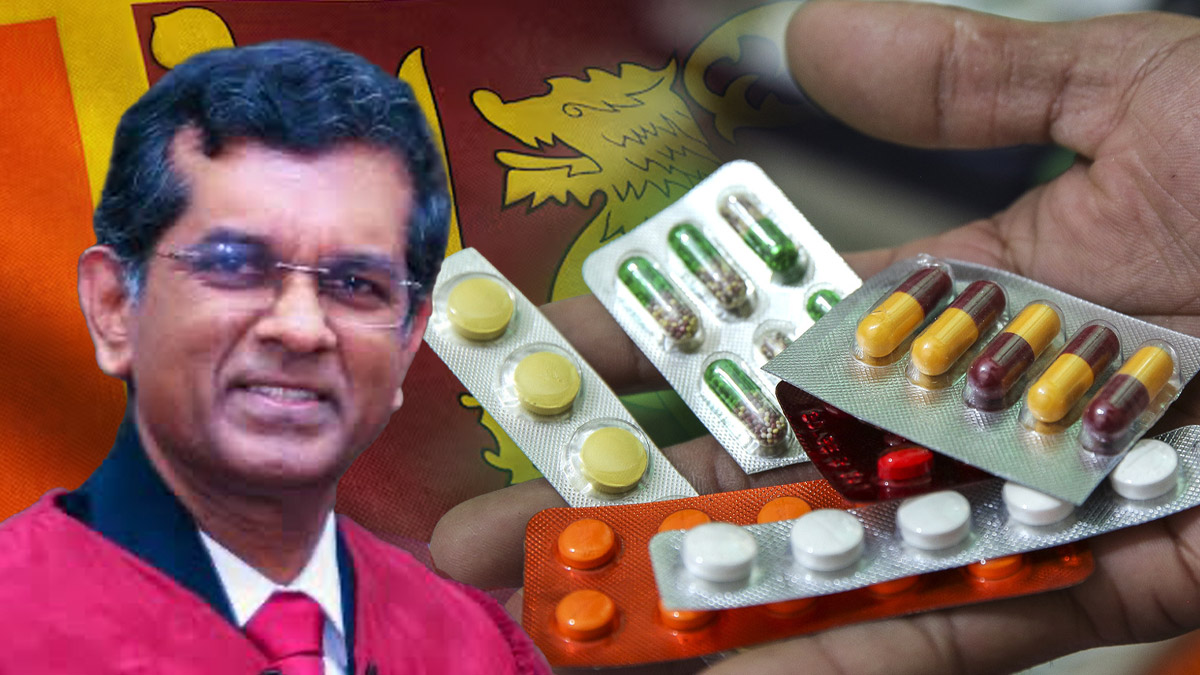
The National Medicines Regulatory Authority (NMRA) says the government’s estimated savings from regulating the prices of 13 major high-priced medicines amount to Rs. 5.7 billion.

NMRA Chairman Specialist Dr. Ananda Wijewickrama made this statement at a media briefing held in Colombo today (01).

He further said that the savings to the public would vary depending on the medicines they purchase.

He noted that the medicines whose prices had been reduced are mainly those that patients require for long-term use.

Continue Reading
Advertisement

Trending