Connect with us

Economy

Sri Lanka Holds Lower-Middle Income Status in Latest World Bank Report

Published

on

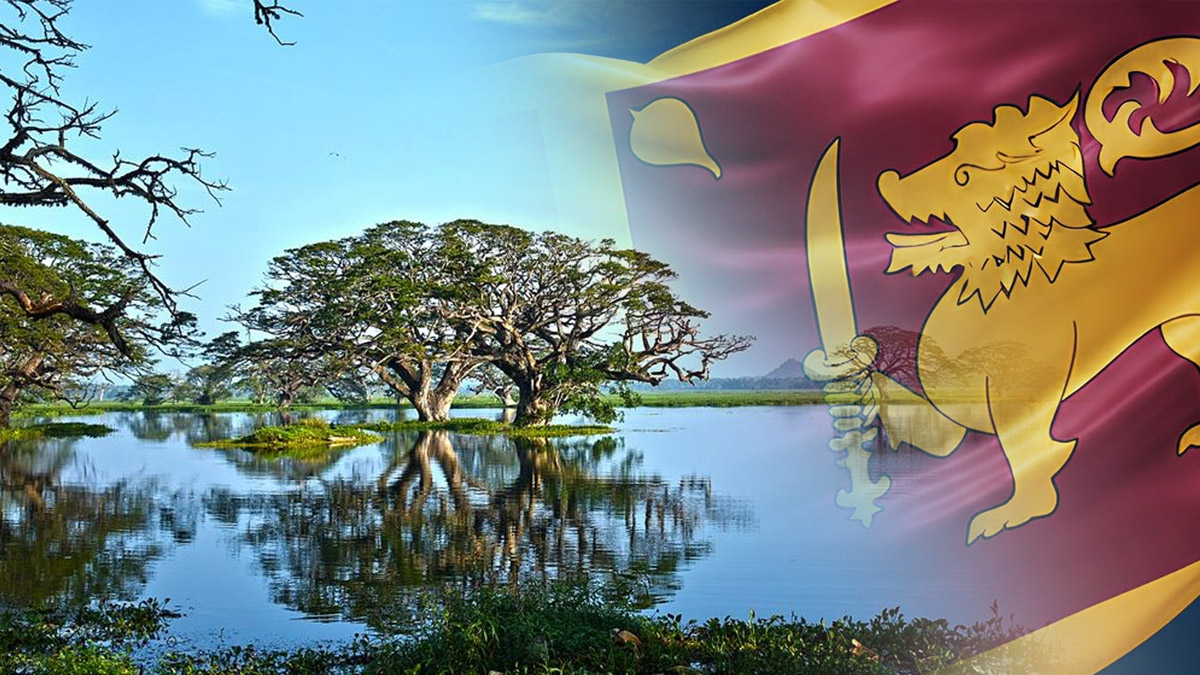
The World Bank has released its annual update on country income classifications, reaffirming Sri Lanka’s status as a lower-middle-income economy for the fiscal year 2026.

The classification is based on Gross National Income (GNI) per capita for the previous year, calculated using the Atlas method, which smooths exchange rate fluctuations to provide a more stable measure of economic capacity.

Sri Lanka’s retention in the lower-middle-income bracket reflects a complex economic recovery path following recent fiscal challenges, inflationary pressures, and structural reforms.

While the country has shown signs of stabilization, its GNI per capita remains below the threshold required to move into the upper-middle-income category.

Understanding the World Bank’s Classification System:

Each year on July 1, the World Bank classifies economies into four income groups:

– Low-income: GNI per capita of $1,135 or less  

– Lower-middle-income: $1,136 to $4,465  

– Upper-middle-income: $4,466 to $13,845  

– High-income: $13,846 or more

These thresholds are adjusted annually for inflation using the Special Drawing Rights (SDR) deflator.

Economy

Sri Lanka’s exports surpass US$ 5.7b in first four months of 2026

Published

on

By

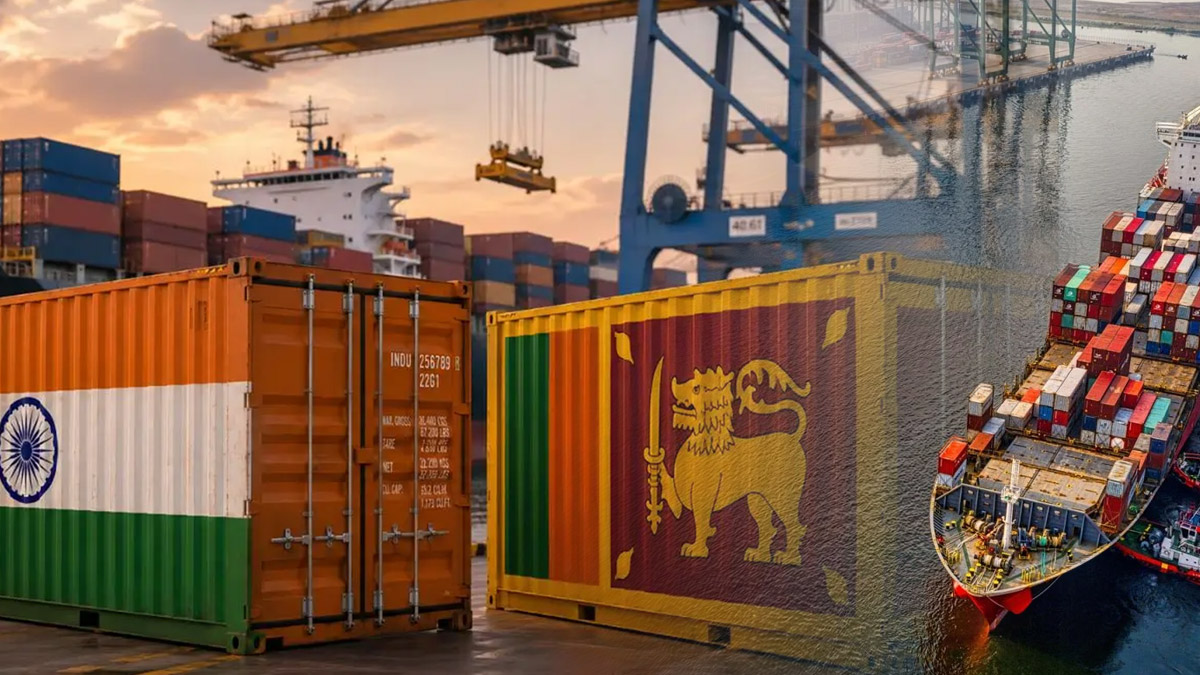
Sri Lanka’s total exports, comprising both merchandise and services, reached US$ 1,380.93 million in April 2026, recording a year-on-year growth of 6 % compared to April 2025.

According to provisional data released by Sri Lanka Customs, together with estimated figures for Gems & Jewellery and Petroleum Products, merchandise exports in April 2026 increased by 9.87% to US$ 1,063.77 million.

Earnings from services exports were estimated at US$ 317.16 million in April 2026, underscoring the growing importance of the services sector in driving Sri Lanka’s overall export performance.

On a cumulative basis, total exports for the period January to April 2026 are estimated at US$ 5,784.38 million, reflecting a growth of 4.3 % over the corresponding period in 2025.

Overall, the positive export performance recorded during the first four months of 2026 highlights the resilience of Sri Lanka’s external sector. Sustained export earnings, supported by stable merchandise trade and the growing contribution of services exports, indicate a steady and encouraging recovery trajectory for the Sri Lankan economy in 2026.

Continue Reading

Economy

Sri Lankan Rupee becomes best performing Asian currency

Published

on

By

In remarkable turnaround of events for the Sri Lankan rupee, respected financial news agency Bloomberg said the currency has surged against the dollar, snapping a nine-day losing streak to become Asia’s best-performing currency on Friday.

Bloomberg reported that the rupee strengthened as much as 2.7%, its biggest gain since March 2023, reversing losses from Thursday when it slid to a three-year low.

Data from the Central Bank of Sri Lanka (CBSL) show the extent of the panic that gripped Sri Lanka’s foreign exchange market last week, with the rupee’s year-to-date (YTD) depreciation against the US dollar accelerating sharply within days as importers rushed to secure dollars while exporters delayed conversions.

According to CBSL Weekly Economic Indicators data, the rupee’s YTD depreciation stood at 4.5% by 15 May before surging to 7.2% by 22 May, marking the sharpest deterioration in the currency so far this year.

The movement came amid heightened market anxiety over the economic fallout from the Middle East conflict and fears of rising global energy prices.

The rupee appreciated on Friday after the CBSL moved to calm a nervous foreign exchange market following sharp depreciation earlier in the week.

Continue Reading

Economy

Sri Lankan rupee ranked Asia’s worst-performing currency

Published

on

By

The Sri Lankan rupee has been identified as the worst-performing currency in Asia this month, according to a report published by a leading global business news platform.

The report stated that the Sri Lankan rupee had weakened significantly against the US dollar in recent days and warned that the currency could depreciate further.

Commenting on the situation, Professor Wasantha Athukorala of the Department of Economics and Statistics at the University of Peradeniya said the rapid depreciation of the rupee within a short period posed a serious risk to the country’s economy.

He warned that inflation could rise sharply in the future if urgent measures were not taken to control the situation.

Meanwhile, Member of Parliament Ravi Karunanayake claimed that the current government had no proper mechanism in place to prevent the rupee from depreciating further.

Former MP Piyal Nishantha also stated that both the government and opposition should work together to take immediate action to address the prevailing economic crisis.

#oureconomics

Continue Reading
Advertisement

Trending