Connect with us

Economy

Sri Lanka’s Gross Official Reserves Record Steady Growth into 2026
Published

on

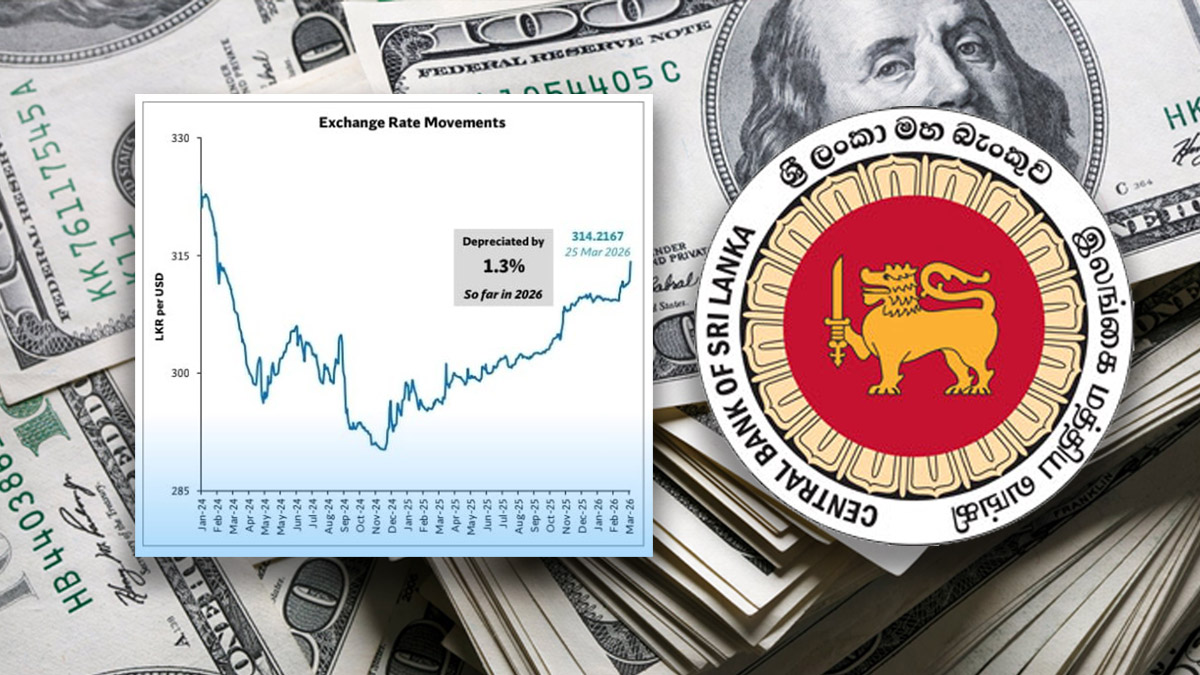
Sri Lanka’s gross official reserves increased to USD 7.3 billion by end-February 2026, continuing the upward trend from USD 1.9 billion in 2022, according to latest Central Bank data.

The Central Bank also recorded USD 0.7 billion in net FX purchases during the first two months of 2026.

Economy

ADB Boosts Sri Lanka Funding to USD 480 Million, Fast-Tracks USD 200 Million

Published

on

By

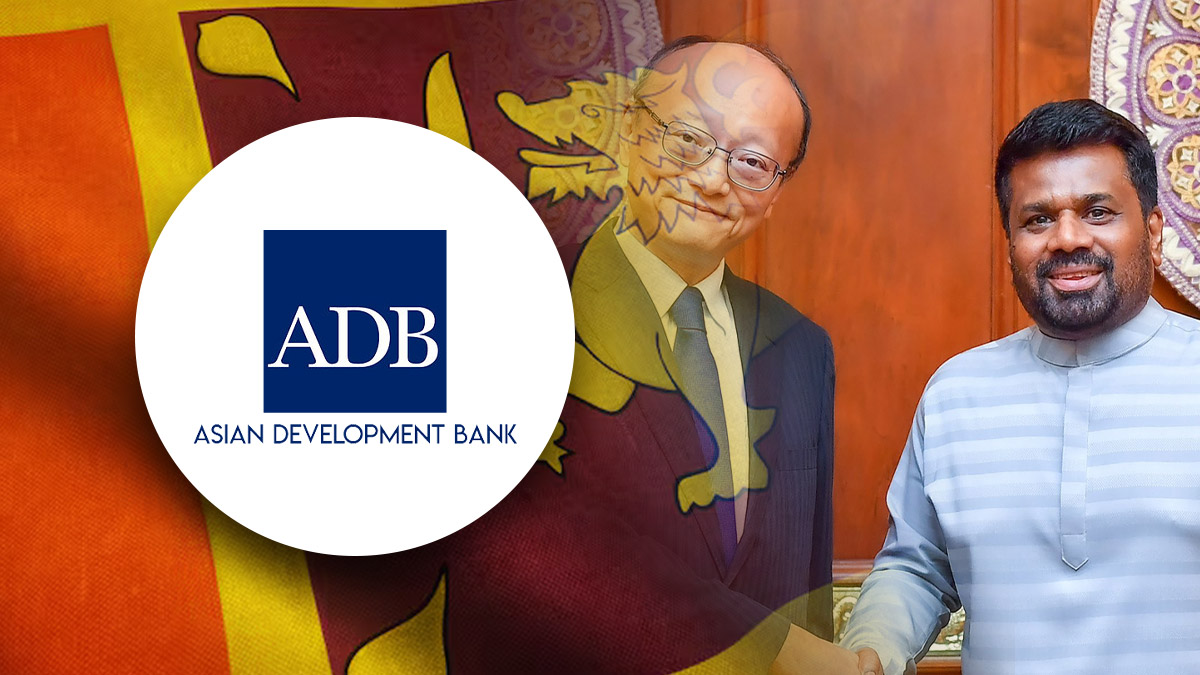
The Asian Development Bank (ADB) has agreed to increase the funding approved for Sri Lanka this year from USD 380 million to USD 480 million, and to fast-track the release of USD 200 million in view of the prevailing situation.

This was disclosed during a meeting at the Presidential Secretariat between President Anura Kumara Dissanayake and a delegation led by ADB President Masato Kanda, who is currently on an official visit to Sri Lanka.

During the meeting, extensive discussions were held on how the Asian Development Bank could support Sri Lanka in achieving its future development objectives.

President Dissanayake stated that the government expects ADB assistance for its programme to rebuild the country following the recent disaster situation.

ADB President Masato Kanda commended the government’s efforts to maintain economic stability despite the post-disaster conditions and the current conflict situation in the Middle East. He said the ADB is prepared to provide all necessary support for rebuilding infrastructure damaged by Cyclone Ditwah.

Continue Reading

Economy

Cabinet greenlights fee-free QR payments

Published

on

By

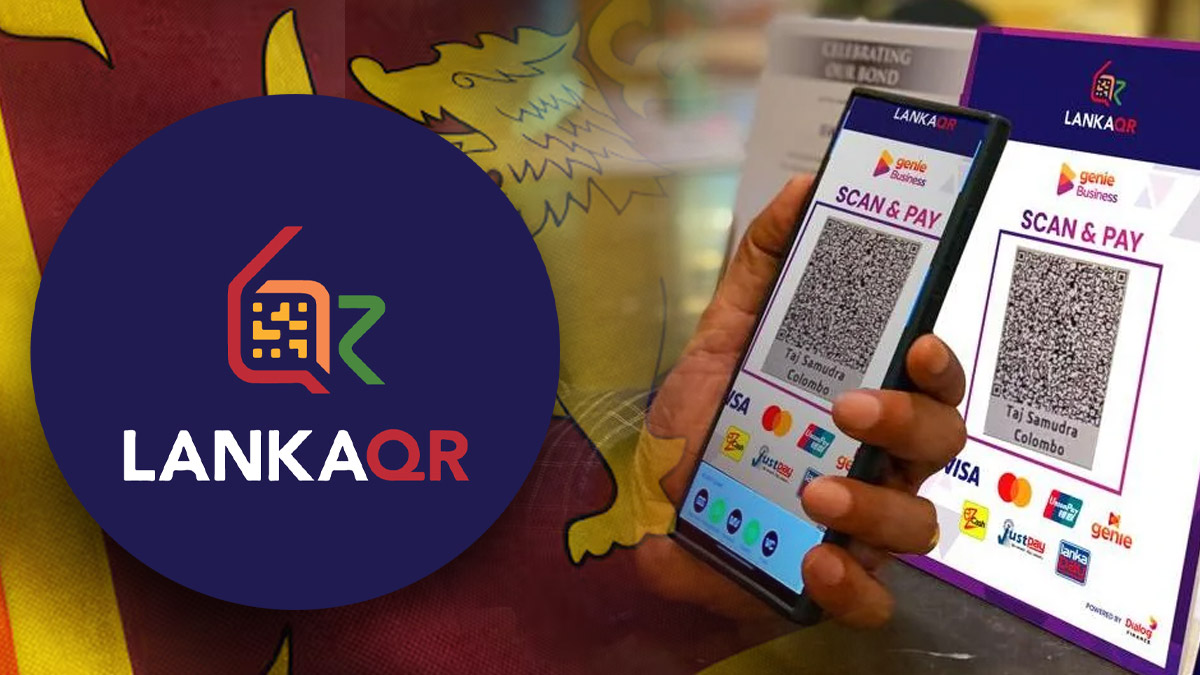
The Cabinet of Ministers has granted approval for a proposal aimed at promoting QR code-based digital payments by ensuring that no additional charges are levied on either the sender or the receiver for transactions valued below Rs. 5,000.

The government has identified the promotion of a digital economy as a national priority, with a view to enhancing economic efficiency, financial inclusion, and transparency.

Despite these objectives, Sri Lanka continues to rely heavily on cash for day-to-day retail transactions, thereby limiting the growth of transparency and the broader digital ecosystem, according to a statement by the Department of Government Information.

At present, more than 20 financial institutions and approximately 30 mobile applications support LankaQR facilities. However, active usage remains relatively low.

During the third quarter of 2025, approximately 274,000 transactions were recorded via LankaQR, with a total value of around Rs. 1.18 billion. This translates to an average of approximately 90,000 transactions per month, amounting to about Rs. 390 million.

Observations indicate that the average value of a QR-based transaction remains below Rs. 5,000.

Continue Reading

Economy

Sri Lanka’s seabed may hold 3 TCF gas, several billion barrels oil

Published

on

By

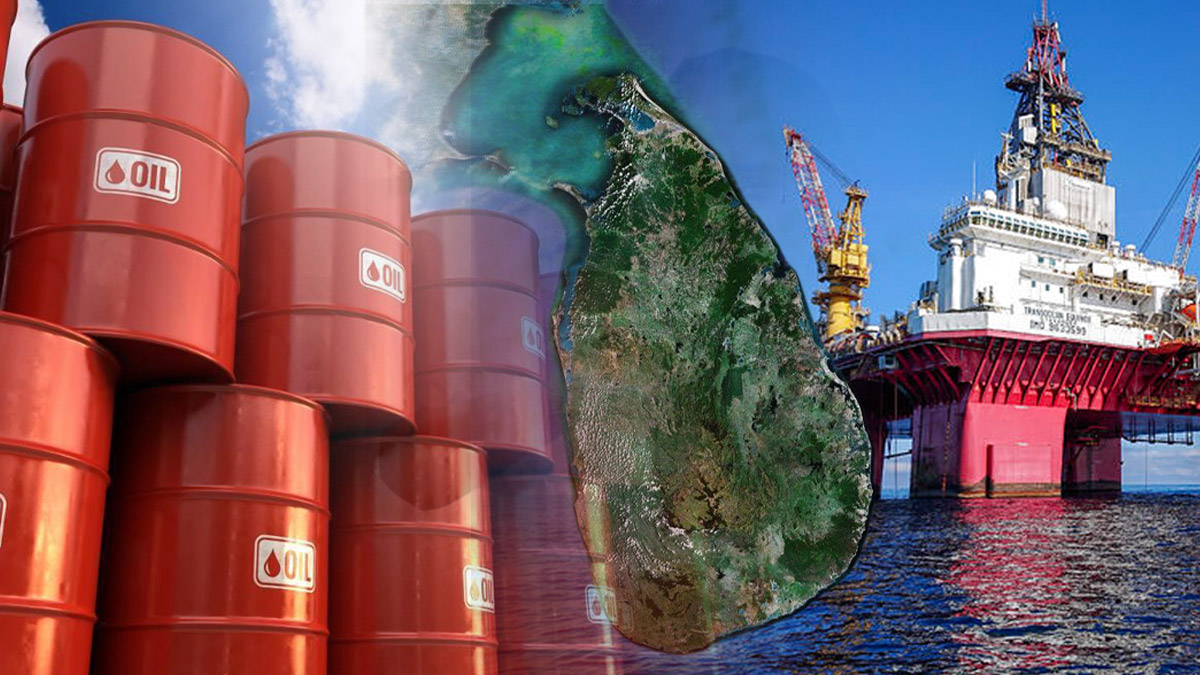
Sri Lanka is estimated to have up to three trillion cubic feet of natural gas in its offshore reserves, according to an interview published by The Sunday Morning.

Quoting Petroleum Development Authority of Sri Lanka Chairman Saliya Wickramasuriya, the report said the country also has the potential for “several billion barrels” of crude oil beneath its seabed within territorial waters and the Exclusive Economic Zone.

The estimates are based on basin modelling and seismic data gathered over recent years, which have improved understanding of Sri Lanka’s offshore resource potential.

However, the report noted that commercial extraction is unlikely to begin in the immediate future, as the process of attracting investors and issuing exploration licences remains at an early stage.

Sri Lanka has recently introduced a new regulatory framework, including the Petroleum Resources Act of 2021, aimed at improving transparency and building investor confidence in offshore exploration.

Under the “Explore Sri Lanka” programme, authorities have shifted from traditional bid rounds to an open licensing system, dividing offshore areas into smaller blocks to encourage wider participation by international energy companies.

Continue Reading
Advertisement

Trending