Connect with us

Economy

Sri Lanka Secures $100 Million for Eco-Friendly Export Farming with Solar Pumps

Published

on


Sri Lanka is set to receive a significant investment of $100 million aimed at modernizing agricultural practices over the next two decades, focusing on sustainable farming and exports, officials have announced.

Under the auspices of President Ranil Wickremesinghe’s office, the Climate Change Office of Sri Lanka, in collaboration with the Climate Vulnerable Forum (CVF) and Nativa Capital of Portugal, finalized the $100 million deal on Tuesday. The project will be centered in Sri Lanka’s North Central district of Anuradhapura, focusing on farming and forest protection initiatives.

As part of the project, each of the 15,000 farming families involved will receive a concessional loan totaling $6,000 throughout the project duration. This funding will support the cultivation of watermelon, red chilies, and tomatoes in the initial phase, alongside the implementation of solar pumps and other energy projects to promote sustainable agriculture.

Nativa Capital, the investment company involved, will also play a role in facilitating market procurement for these crops, with an eye toward future export opportunities and the establishment of factories within Sri Lanka.

Ruwan Wijewardene, the President’s Senior Advisor on Climate Change, emphasized the comprehensive benefits for farming families, stating, “Each family stands to benefit from an investment totaling approximately $6,000, covering not only modern technical equipment but also addressing longstanding market access challenges faced by farmers.”

Efforts have been made to tackle market access issues, with Nativa committing to purchasing produce from the project. The initiative is not limited to Anuradhapura; it will expand to encompass other crops and areas, including the Polonnaruwa district and the Eastern province in the future.

Wijewardene highlighted the broader objectives of the project, stating, “Upon the successful implementation of this pilot project, the government plans to extend modern agricultural technologies to other districts, foreseeing a transformation in the export economy and an enhancement in the quality of life for farmers.”

The project aims to foster economic prosperity while empowering farming communities with innovative technology and sustainable practices, creating employment opportunities, attracting foreign investment, and strengthening Sri Lanka’s agricultural sector.

Execution of the project will be overseen by Our Movement Lanka, a community-based organization, in collaboration with Nativa Capital and the Sri Lankan government. A pilot project involving fifteen families cultivating chili has already commenced, with plans underway for further expansion.”

However, officials have yet to provide projections regarding potential foreign exchange inflows despite repeated requests.

Economy

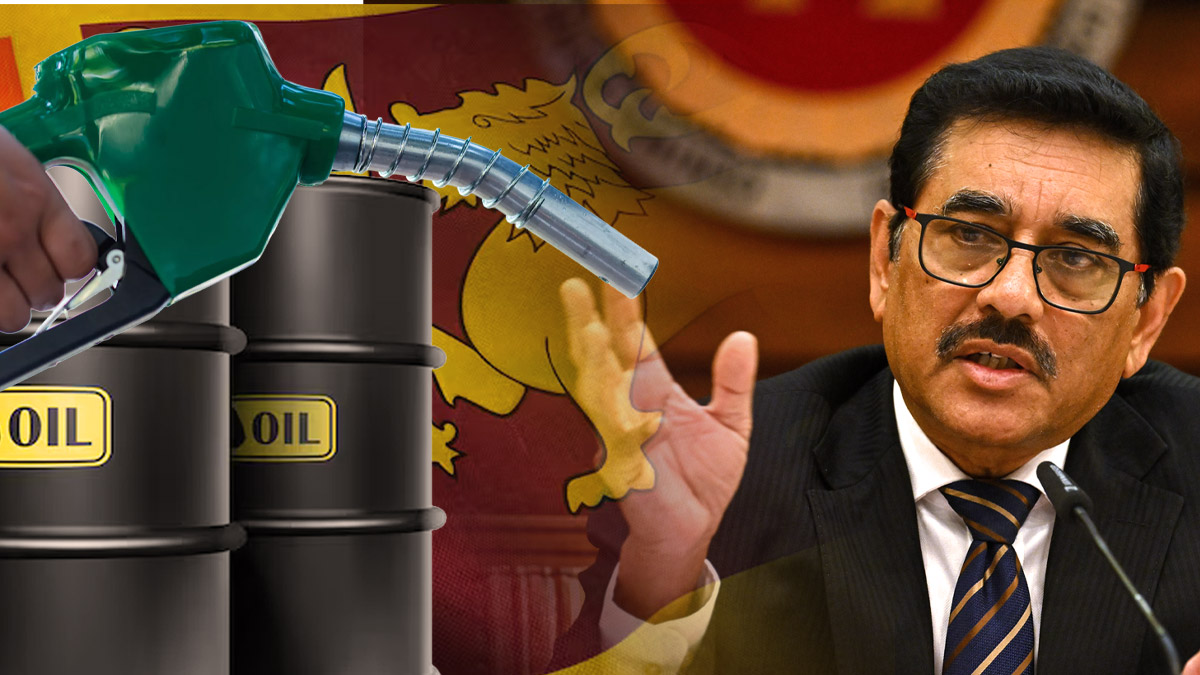
Sri Lanka in “much better position” to handle oil price shocks – CBSL Governor

Published

on

By

The Governor of the Central Bank of Sri Lanka, Dr. Nandalal Weerasinghe has assured the public that Sri Lanka is now in a “much better position” to withstand global economic shocks, including rising oil prices and geopolitical tensions in the Middle East.

Speaking in an interview with Bloomberg recently, the Governor highlighted that the nation has built significant financial buffers, including foreign reserves that have surged from near-zero levels to over $7 billion. 

This provides a critical safety net against the rising oil prices and supply chain disruptions currently triggered by Middle East tensions.

The Governor emphasized that the domestic inflation environment has transformed, dropping from a crisis peak of 70% to a current rate of 1.6%. 

This low inflation gives the Central Bank “significant space” to absorb external price shocks without destabilizing the local economy. 

Unlike the previous crisis, where fuel shortages were caused by a total lack of foreign exchange, Dr. Weerasinghe clarified that any current risks are related to global supply logistics rather than a lack of domestic funding. 

He noted that the exchange rate will be allowed to act as a shock absorber to manage demand and protect the country’s fiscal health.

Continue Reading

Economy

Sri Lanka’s foreign reserves surpass USD 7 billion mark

Published

on

By

Sri Lanka’s official reserve assets increased by 6.6% to USD 7,284 million in February 2026, compared to USD 6,832 million recorded in January 2026.

Accordingly, country’s reserves have surpassed the USD 7 billion threshold for the first time since August 2020. 

However, this includes the proceeds received under the swap arrangement with the People’s Bank of China, according to the Central Bank of Sri Lanka (CBSL).

Continue Reading

Economy

Over 80% state university graduates are migrating

Published

on

By

Sri Lanka is undergoing a brain drain crisis where a new study from the University of Peradeniya reveals that over 50 per cent of state university graduates, rising to 80-90 per cent in critical fields like medicine, engineering, and agriculture, are migrating permanently, never to return, according to a recent article by Ceylon Public Affairs.

The article which explores brain drain levels in 2025 mentions that the Sri Lankan government spends Rs. 87 billion yearly on university education in which many believe this has turned free education into a “development aid programme” for richer countries, with the best and brightest doctors, engineers, and scientists contributing to the economies of the West while Sri Lanka grapples with a 24.5 per cent poverty rate.

“Yearly, 42,000 undergraduates are educated across disciplines such as arts (25 per cent), management (20 per cent), engineering (13 per cent), and medicine (10 per cent). However, this system is inadvertently fuelling a migration of skilled workers. According to the University of Peradeniya study, the brightest graduates—those with science-based degrees—are leaving in droves, with migration rates exceeding 80 per cent in some departments.” Ceylon Public Affairs says.

Ceylon Public Affairs says that the reason for such high levels of brain drain is due to both economic and social realities. Low wages and high unemployment worsened by the country’s recent economic crisis, including a sovereign default and the lingering effects of the COVID-19 pandemic that pushes graduates to seek opportunities abroad. Meanwhile, the private and public sectors in Sri Lanka struggle to offer salaries competitive with global markets, trapping the nation in what economists call the middle-income trap.

Continue Reading
Advertisement

Trending