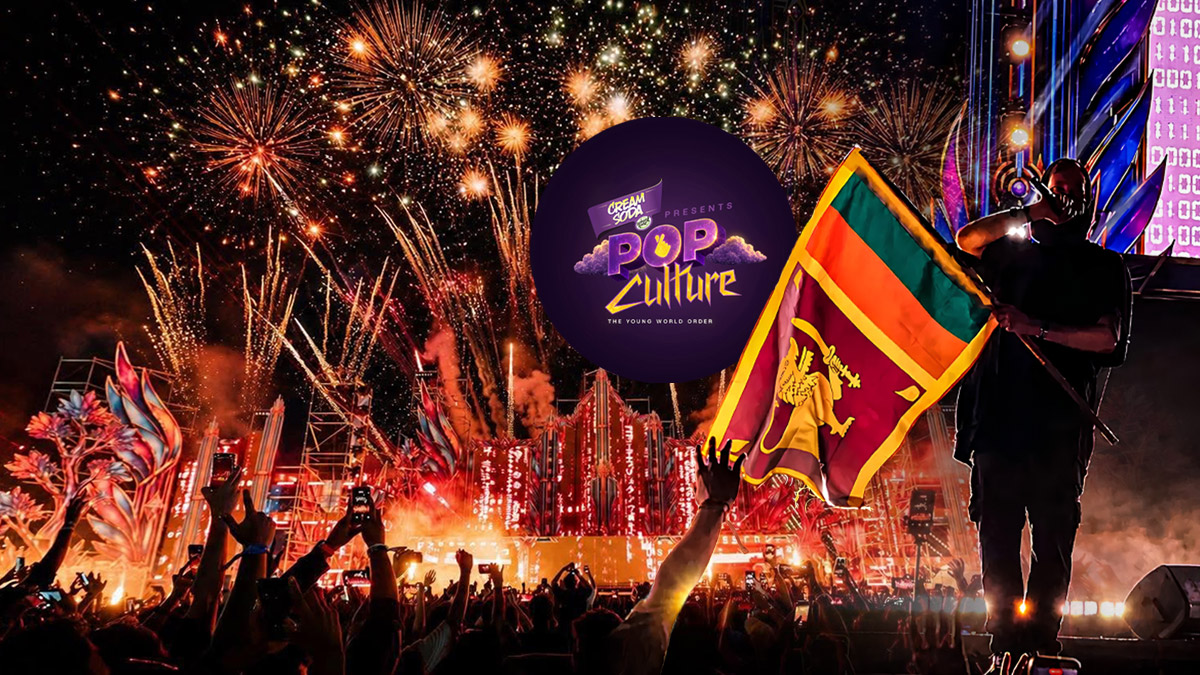
Colombo, Sri Lanka – POP Culture Festival 2026 concluded successfully at Port City Colombo, marking a turning point for Sri Lanka’s entertainment industry, and setting a new benchmark for world-class festivals in the country. With an international EDM DJ line-up who have all performed on Tomorrowland stages, it was a World Class line-up performing on a massive World Class stage.
Held on the 28th and 29th August, the two-day festival brought together an outstanding lineup led by world-renowned artists Alan Walker, Nicky Romero and South Korean pop (K-pop) sensation CHUNG HA. They were joined by several leading international and Sri Lankan artists, creating a powerful celebration of music, youth culture, creativity and live entertainment.
POP Culture Festival 2026 was brought to life by ShowUp Entertainment and Elephant House Cream Soda, united by a shared vision to elevate Sri Lankan entertainment, empower the country’s next generation of talent, and to create a platform capable of connecting them with the world.
From spectacular performances and world-class stage production, to the incredible energy of the audience, the festival transformed Port City Colombo into a vibrant international entertainment destination.
Alan Walker delivered an unforgettable performance that made the opening day truly historic, while CHUNG HA captivated Sri Lankan K-pop fans with her signature vocals, choreography and commanding stage presence. Nicky Romero’s first-ever performance in Sri Lanka brought the festival to a powerful close, delivering a high-energy finale that will remain a landmark moment in the country’s live entertainment history.
The festival also featured performances by DubVision, QUINTINO, Dyro x DANNIC, Mintthy and a selection of emerging and established Sri Lankan artists, bringing global stars and homegrown talent together on one extraordinary stage.
POP Idol: Developing Sri Lanka’s First Global-Level Idols.
A defining part of POP Culture Festival 2026 was the POP Idol programme, a groundbreaking initiative created to discover, develop and introduce the next generation of Sri Lankan performers.
From thousands of applicants across the country, talented young performers were selected and guided through a professional development journey that included auditions, intensive training, performance preparation and mentorship. The programme was designed to develop not only vocal and dance abilities but also stage presence, discipline, confidence and the professionalism required to compete on an international level.
Through this journey, POP Idol introduced a new generation of solo performers and a girl group developed to global entertainment standards. Their appearance on the POP Culture Festival stage represented far more than a debut performance – it marked the beginning of a new pathway for Sri Lankan youth with ambitions of reaching international audiences.
By providing international professional trainers and the opportunity to perform alongside globally recognised artists, POP Idol demonstrated that Sri Lankan talent has the potential to stand confidently on the world stage.
A Platform Taking Sri Lankan Young Talent to the World
POP Culture Festival is more than an international music festival. It is a long-term platform created to identify, develop and showcase Sri Lanka’s young creative talent to the world.
By bringing global artists, an international-level production, and emerging Sri Lankan performers together, the festival created opportunities that extends beyond a single event. It opened the door for young musicians, dancers, performers, creators and entertainment professionals to gain experience, build visibility and pursue opportunities within the global industry.
Created by Sri Lankan youth and driven by the spirit of The Young World Order, the festival showcased the ambition, creativity and potential of a new generation determined to take the country forward.
The successful delivery of POP Culture Festival 2026 demonstrated Sri Lanka’s ability to produce ambitious, world-class entertainment experiences while creating meaningful opportunities for its own talent. It also strengthened the country’s potential to become an important entertainment and festival destination within the region.
POP Culture Festival 2026 did not simply bring world-famous artists to Sri Lanka. It created a stage from which Sri Lankan talent can reach the world.
The festival may have ended, but the movement it created, and the journey of Sri Lanka’s next generation of global performers has only just begun.













 Business News2 years ago
 Business News2 years ago
 Business News2 years ago
 Business News2 years ago
 Economy2 years ago
 Economy1 year ago
 Business News2 years ago
 Life Story2 years ago