Connect with us

Economy

Budget surplus widens to Rs. 197.3 b through May on robust revenue growth 
Published

on

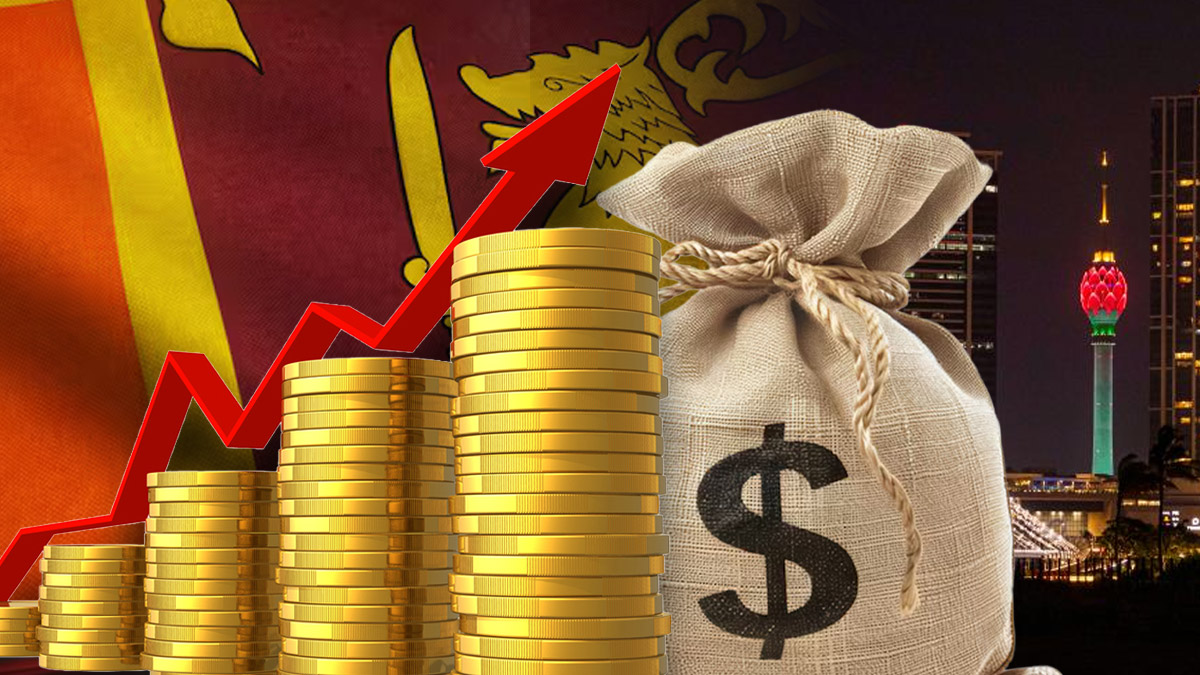
Sri Lanka’s fiscal position strengthened further during the first five months of 2026, with the Government posting an overall Budget surplus of Rs. 197.34 billion, reversing a deficit of Rs. 236.63 billion in the corresponding period last year as revenue growth continued to significantly outpace expenditure.

According to the latest fiscal operations data released by the Central Bank of Sri Lanka (CBSL), total revenue and grants increased by 30.6% year-on-year (YoY) to Rs. 2.54 trillion during the January-May period from Rs. 1.94 trillion a year earlier.

Tax revenue, which accounted for the bulk of Government income, rose 23.9% to Rs. 2.32 trillion from Rs. 1.8 trillion in the corresponding period of 2025. Non-tax revenue recorded an even stronger growth of 54.2% to Rs. 211.84 billion from Rs. 137.38 billion, while grants declined to Rs. 1.34 billion from Rs. 2.49 billion.

Meanwhile, expenditure and lending minus repayments increased by 7.3% YoY to Rs. 2.34 trillion from Rs. 2.18 trillion, reflecting continued expenditure discipline despite higher public investment.

Recurrent expenditure rose 5.5% to Rs. 2.11 trillion, while capital expenditure and lending minus repayments climbed 29.3% to Rs. 226.83 billion from Rs. 175.37 billion in the same period last year.

The primary balance, a key fiscal indicator monitored under Sri Lanka’s International Monetary Fund (IMF)-supported reform program, improved to a surplus of Rs. 1.13 trillion during the first five months of the year, compared with Rs. 742.92 billion in the corresponding period of 2025, representing an increase of 52.3%.

The latest figures underscore continued improvement in public finances, with stronger revenue mobilisation enabling the Government to maintain sizeable primary and overall Budget surpluses while increasing capital expenditure during the period.

According to the IMF’s latest assessment, following temporary fiscal easing in 2026, the Government remains committed to restoring the primary surplus target to 2.3% of GDP in 2027 to safeguard macroeconomic stability.

Economy

Sri Lanka Bans Imports Made Using Forced Labour

Published

on

By

The Government has banned the import of goods that are wholly or partially produced, mined, or manufactured using forced labour effective immediately.

The order was issued by President Anura Kumara Dissanayake, in his capacity as the Minister of Finance, Planning and Economic Development, and took effect from July 10.

Under the new regulations, importers must submit documents to the Director General of Customs confirming that imported goods were not produced or manufactured using forced labour.

Taking into account, the decisions of the International Labour Organization (ILO), the Minister is expected to announce, from time to time, the specific goods or countries that will fall under the ban.

The Government introduced the measure following international criticism that Sri Lanka had not taken sufficient action to prevent the import of goods produced through forced labour.

The move also comes amid concerns over a recent proposal by U.S. President Donald Trump to impose additional import tariffs on around 60 countries, including Sri Lanka, over inadequate measures to block forced labour products.

Continue Reading

Economy

Indian tourists spend more per day than average visitor to Sri Lanka

Published

on

By

Indian tourists now spend more per day in Sri Lanka than the average international visitor, according to the Sri Lanka Tourism Development Authority.

SLTDA Chairman Buddhika Hewawasam said Indian tourists spend an average of US$154 per day, compared to the overall visitor average of US$148, challenging the perception that Indian travellers are low-spending tourists.

Continue Reading

Economy

Sri Lanka ranks 83rd globally in Claude AI usage, new data shows

Published

on

By

Anthropic, the company behind the Claude AI chatbot, tracks how people around the world use its models through what it calls the Anthropic Economic Index. The Index breaks down usage by country, by occupation, and by task type, using data pulled from Claude.ai conversations.

According to this data, Sri Lanka sits at rank 83 out of 121 countries measured, with a usage index of 0.56x. In simple terms, that means Sri Lankans are using Claude at just over half the rate you’d expect for a country of its size and workforce.

Continue Reading
Advertisement

Trending