Connect with us

Economy

Ranil meets Elon Musk

Published

on

President Ranil Wickremesinghe met with billionaire investor Elon Musk on the sidelines of the 10th World Water Forum High-Level Meeting in Indonesia.

During their discussion, Wickremesinghe and Musk explored the implementation of ‘Starlink’ in Sri Lanka. It was highlighted that Sri Lanka is dedicated to speeding up the application process to integrate the country into the global “Starlink” network, according to the President’s Media Division (PMD).

Minister Jeevan Thondaman, accompanying the President on his two-day visit to Indonesia, tweeted: “The President and Elon Musk discussed Sri Lanka’s recovery, economic potential, and new investment opportunities. Great to see two visionary leaders come together for Sri Lanka.”

Elon Musk arrived in Bali, Indonesia, on Sunday to launch the Starlink satellite internet service in the world’s largest archipelago. The Tesla and SpaceX CEO, who also owns the social platform X, landed by private jet on the picturesque “island of the gods,” known for its tropical beaches, terraced rice paddies, mystical temples, and vibrant spiritual offerings.

Musk is set to launch the service alongside Indonesian President Joko Widodo in a ceremony at a public health clinic in Denpasar, the provincial capital of Bali. He will also sign an agreement to enhance connectivity in the nation’s health and education sectors.

During his first in-person visit to Bali, Musk will also participate in the 10th World Water Forum, which aims to tackle global water and sanitation challenges.

Economy

Sri Lanka in “much better position” to handle oil price shocks – CBSL Governor

Published

on

By

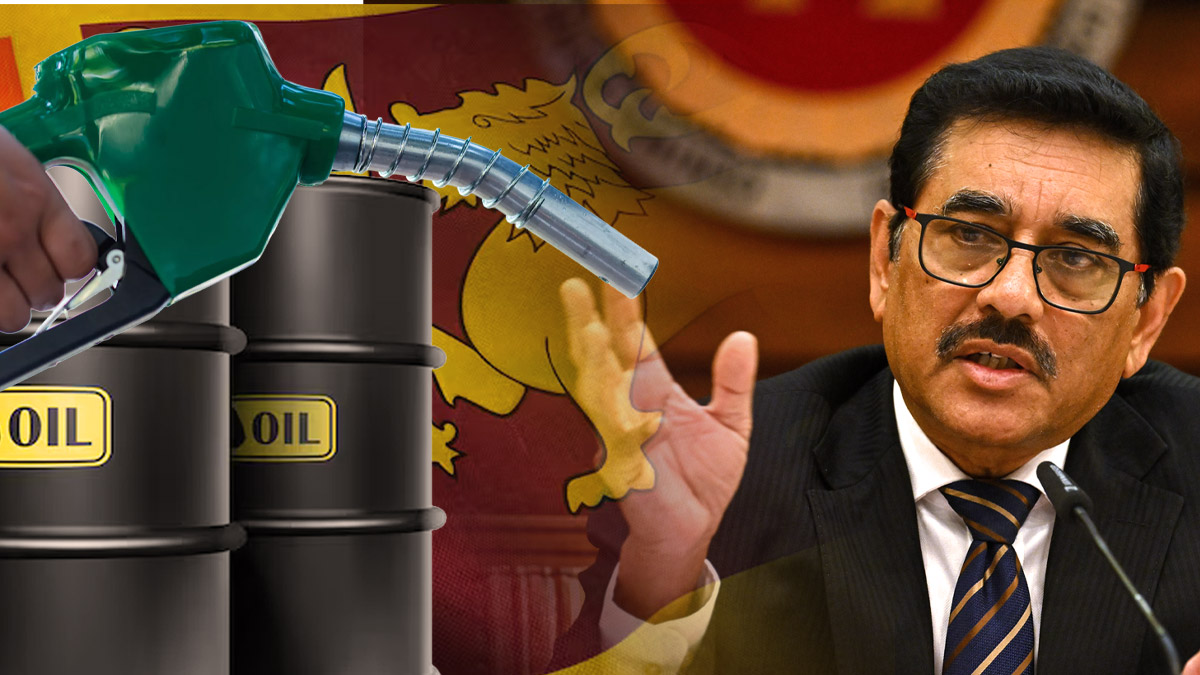
The Governor of the Central Bank of Sri Lanka, Dr. Nandalal Weerasinghe has assured the public that Sri Lanka is now in a “much better position” to withstand global economic shocks, including rising oil prices and geopolitical tensions in the Middle East.

Speaking in an interview with Bloomberg recently, the Governor highlighted that the nation has built significant financial buffers, including foreign reserves that have surged from near-zero levels to over $7 billion. 

This provides a critical safety net against the rising oil prices and supply chain disruptions currently triggered by Middle East tensions.

The Governor emphasized that the domestic inflation environment has transformed, dropping from a crisis peak of 70% to a current rate of 1.6%. 

This low inflation gives the Central Bank “significant space” to absorb external price shocks without destabilizing the local economy. 

Unlike the previous crisis, where fuel shortages were caused by a total lack of foreign exchange, Dr. Weerasinghe clarified that any current risks are related to global supply logistics rather than a lack of domestic funding. 

He noted that the exchange rate will be allowed to act as a shock absorber to manage demand and protect the country’s fiscal health.

Continue Reading

Economy

Sri Lanka’s foreign reserves surpass USD 7 billion mark

Published

on

By

Sri Lanka’s official reserve assets increased by 6.6% to USD 7,284 million in February 2026, compared to USD 6,832 million recorded in January 2026.

Accordingly, country’s reserves have surpassed the USD 7 billion threshold for the first time since August 2020. 

However, this includes the proceeds received under the swap arrangement with the People’s Bank of China, according to the Central Bank of Sri Lanka (CBSL).

Continue Reading

Economy

Over 80% state university graduates are migrating

Published

on

By

Sri Lanka is undergoing a brain drain crisis where a new study from the University of Peradeniya reveals that over 50 per cent of state university graduates, rising to 80-90 per cent in critical fields like medicine, engineering, and agriculture, are migrating permanently, never to return, according to a recent article by Ceylon Public Affairs.

The article which explores brain drain levels in 2025 mentions that the Sri Lankan government spends Rs. 87 billion yearly on university education in which many believe this has turned free education into a “development aid programme” for richer countries, with the best and brightest doctors, engineers, and scientists contributing to the economies of the West while Sri Lanka grapples with a 24.5 per cent poverty rate.

“Yearly, 42,000 undergraduates are educated across disciplines such as arts (25 per cent), management (20 per cent), engineering (13 per cent), and medicine (10 per cent). However, this system is inadvertently fuelling a migration of skilled workers. According to the University of Peradeniya study, the brightest graduates—those with science-based degrees—are leaving in droves, with migration rates exceeding 80 per cent in some departments.” Ceylon Public Affairs says.

Ceylon Public Affairs says that the reason for such high levels of brain drain is due to both economic and social realities. Low wages and high unemployment worsened by the country’s recent economic crisis, including a sovereign default and the lingering effects of the COVID-19 pandemic that pushes graduates to seek opportunities abroad. Meanwhile, the private and public sectors in Sri Lanka struggle to offer salaries competitive with global markets, trapping the nation in what economists call the middle-income trap.

Continue Reading
Advertisement

Trending