Connect with us

Economy

Sri Lanka tourists to get 60-day visa free entry to Thailand

Published

on

Tourists from Sri Lanka will receive visa-free entry to Thailand starting June 1, under a program approved by the country’s cabinet to boost the tourism sector, according to a media report.
Sri Lankans are among 36 countries added to a list of 57 countries eligible for 60-day stays under this scheme, The Bangkok Post reported.

The new countries eligible for the ‘Destination Thailand Visa’ include Albania, Cambodia, China, India, Jamaica, Kazakhstan, Laos, Mexico, Morocco, Panama, Romania, and Uzbekistan.

Visitors who wish to work and visit tourist destinations can obtain five-year visas, valid for 180 days and extendable for another 180 days, according to government spokesman Chai Wacharonke.

The visa will also allow foreign students in higher education to stay for one year after graduation and work, instead of having to leave the country immediately after completing their courses.

“They can find work during the extended period, especially in the fields that we need,” the spokesman stated.

Visitors over 50 years old who want long-stay visas currently need to have health insurance coverage worth 3 million baht. This requirement has now been reduced to 440,000 baht (400,000 for inpatient treatment and 40,000 for outpatient cover).

The cabinet also approved expanding e-visa application services at Thai consulates and embassies from 47 to 94 locations, starting in September.

Economy

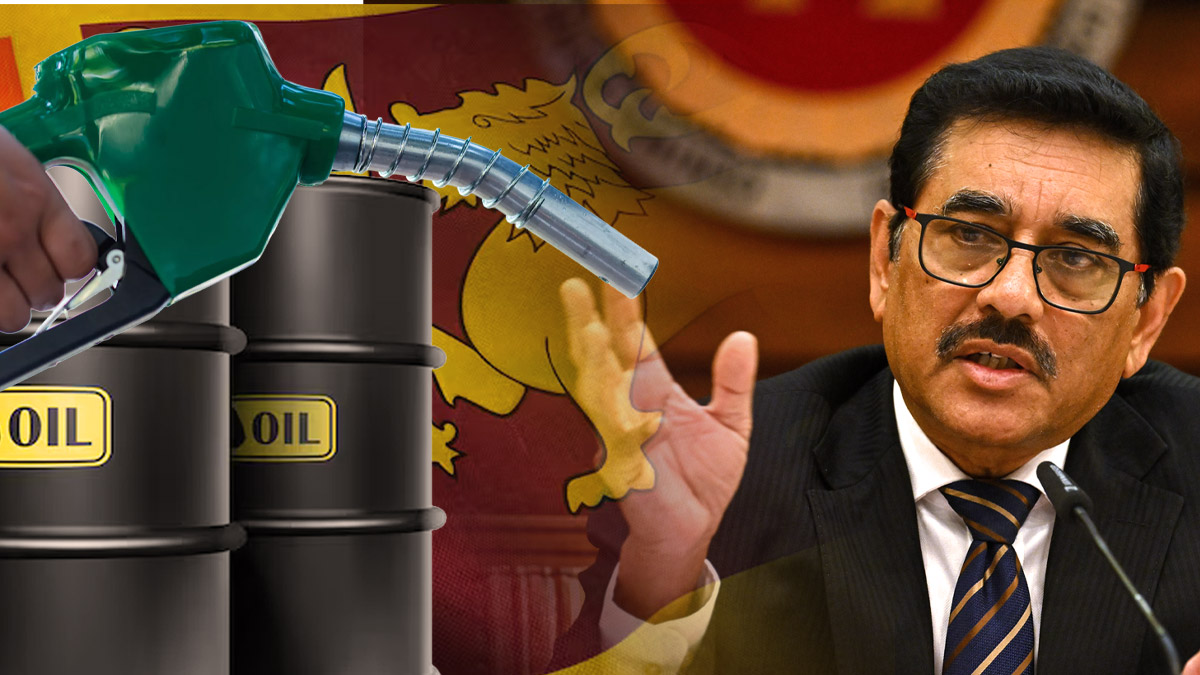
Sri Lanka in “much better position” to handle oil price shocks – CBSL Governor

Published

on

By

The Governor of the Central Bank of Sri Lanka, Dr. Nandalal Weerasinghe has assured the public that Sri Lanka is now in a “much better position” to withstand global economic shocks, including rising oil prices and geopolitical tensions in the Middle East.

Speaking in an interview with Bloomberg recently, the Governor highlighted that the nation has built significant financial buffers, including foreign reserves that have surged from near-zero levels to over $7 billion. 

This provides a critical safety net against the rising oil prices and supply chain disruptions currently triggered by Middle East tensions.

The Governor emphasized that the domestic inflation environment has transformed, dropping from a crisis peak of 70% to a current rate of 1.6%. 

This low inflation gives the Central Bank “significant space” to absorb external price shocks without destabilizing the local economy. 

Unlike the previous crisis, where fuel shortages were caused by a total lack of foreign exchange, Dr. Weerasinghe clarified that any current risks are related to global supply logistics rather than a lack of domestic funding. 

He noted that the exchange rate will be allowed to act as a shock absorber to manage demand and protect the country’s fiscal health.

Continue Reading

Economy

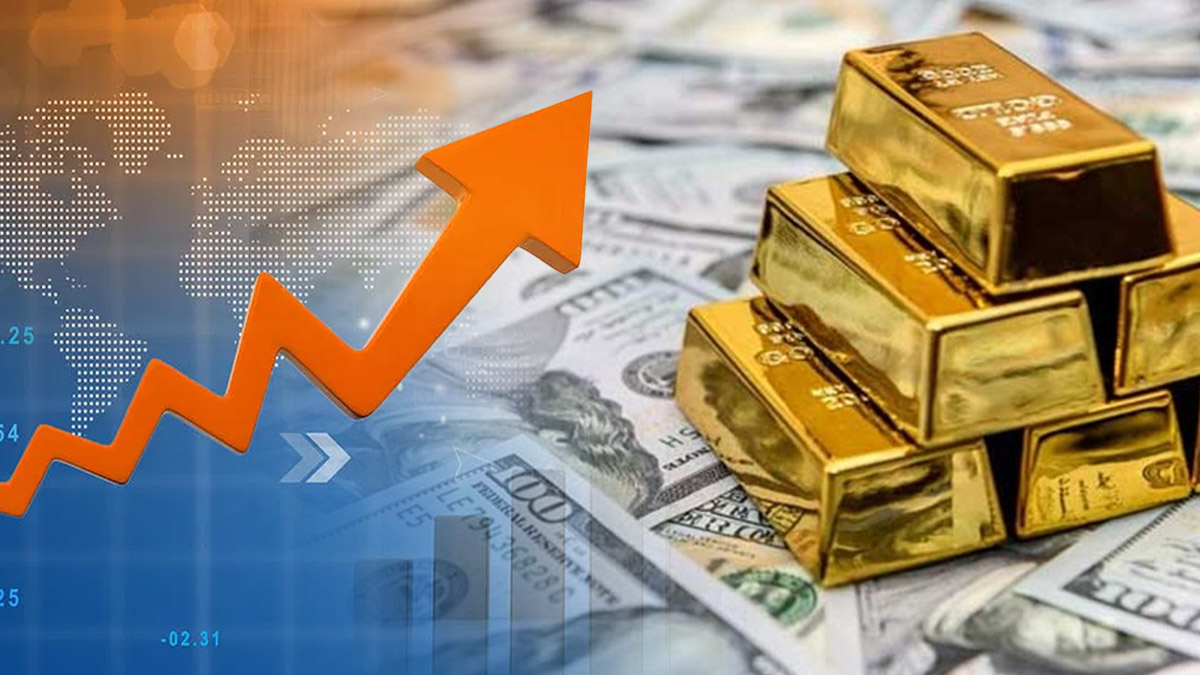
Sri Lanka’s foreign reserves surpass USD 7 billion mark

Published

on

By

Sri Lanka’s official reserve assets increased by 6.6% to USD 7,284 million in February 2026, compared to USD 6,832 million recorded in January 2026.

Accordingly, country’s reserves have surpassed the USD 7 billion threshold for the first time since August 2020. 

However, this includes the proceeds received under the swap arrangement with the People’s Bank of China, according to the Central Bank of Sri Lanka (CBSL).

Continue Reading

Economy

Over 80% state university graduates are migrating

Published

on

By

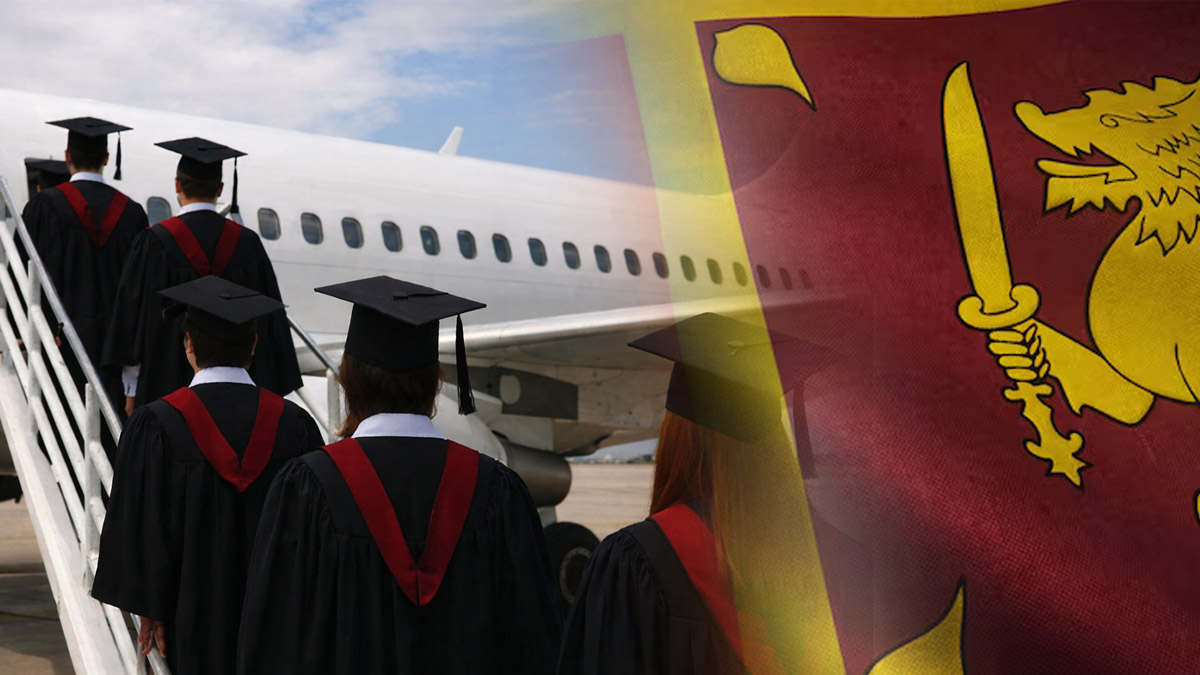
Sri Lanka is undergoing a brain drain crisis where a new study from the University of Peradeniya reveals that over 50 per cent of state university graduates, rising to 80-90 per cent in critical fields like medicine, engineering, and agriculture, are migrating permanently, never to return, according to a recent article by Ceylon Public Affairs.

The article which explores brain drain levels in 2025 mentions that the Sri Lankan government spends Rs. 87 billion yearly on university education in which many believe this has turned free education into a “development aid programme” for richer countries, with the best and brightest doctors, engineers, and scientists contributing to the economies of the West while Sri Lanka grapples with a 24.5 per cent poverty rate.

“Yearly, 42,000 undergraduates are educated across disciplines such as arts (25 per cent), management (20 per cent), engineering (13 per cent), and medicine (10 per cent). However, this system is inadvertently fuelling a migration of skilled workers. According to the University of Peradeniya study, the brightest graduates—those with science-based degrees—are leaving in droves, with migration rates exceeding 80 per cent in some departments.” Ceylon Public Affairs says.

Ceylon Public Affairs says that the reason for such high levels of brain drain is due to both economic and social realities. Low wages and high unemployment worsened by the country’s recent economic crisis, including a sovereign default and the lingering effects of the COVID-19 pandemic that pushes graduates to seek opportunities abroad. Meanwhile, the private and public sectors in Sri Lanka struggle to offer salaries competitive with global markets, trapping the nation in what economists call the middle-income trap.

Continue Reading
Advertisement

Trending